
Landscape lighting that holds up to Chicago winters
Chicago winters test outdoor lighting in four ways: freeze-thaw cycles that heave fixtures out of aim, road salt that corrodes cheap finishes, snow and plows that bury or break low fixtures, and short days that keep the system running longer. We plan for each with marine-grade or brass fixtures, placement outside plow and snow-pile zones, stable mounting, and a Lutron schedule that follows sunset.
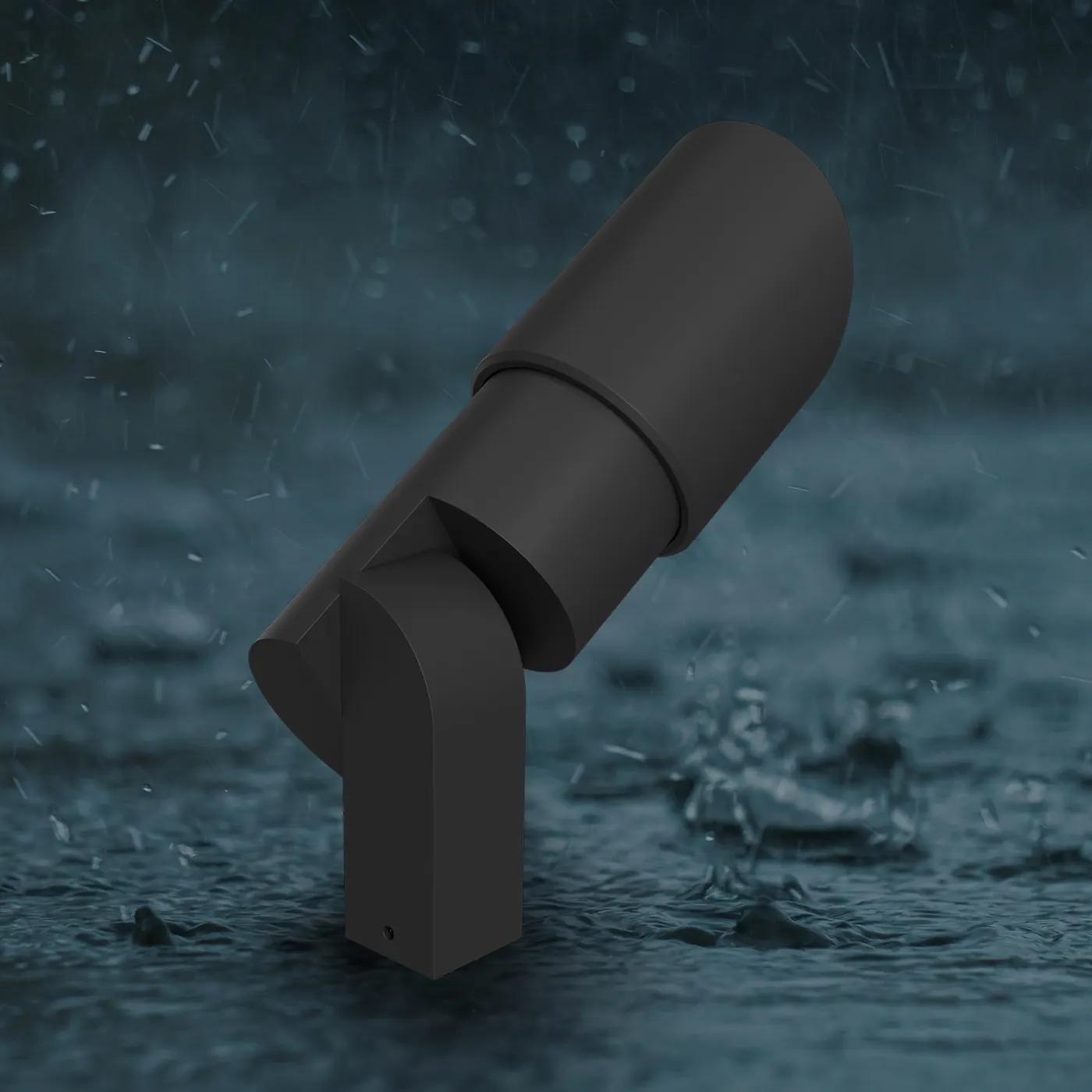
The system works hardest in December
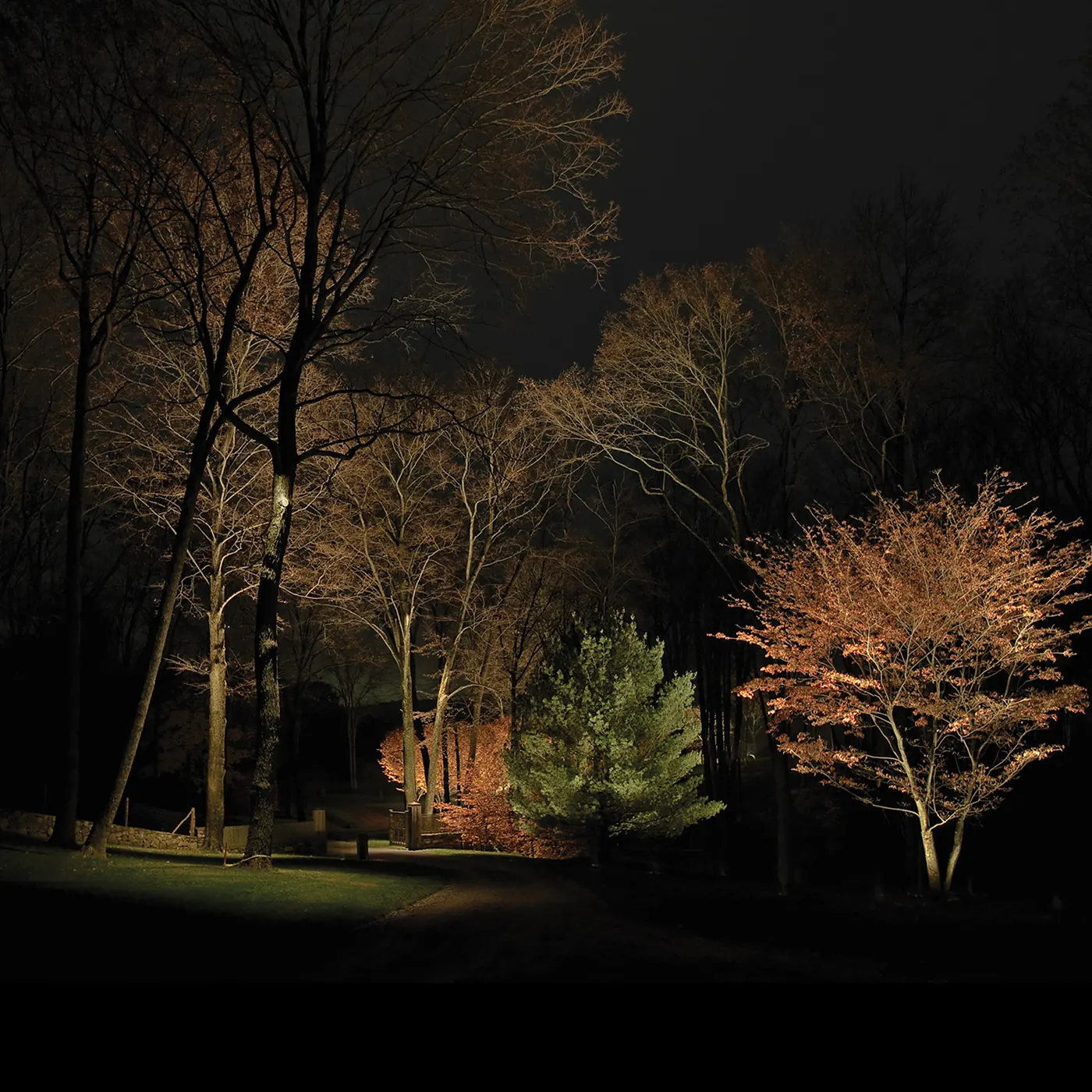
Chicago’s earliest sunsets come in early December, around 4:20 p.m. In late June the sun sets around 8:30 p.m. That’s about four more hours of darkness every winter evening, most of it while you’re awake and home.
An astronomic timeclock on your Lutron system follows the sunset through the year, so nobody resets a timer in November. We usually set the late-evening step earlier in winter, so the garden isn’t fully lit at 11 p.m. on a Tuesday.
Four winter problems, and how we design around them
Freeze-thaw and frost heave
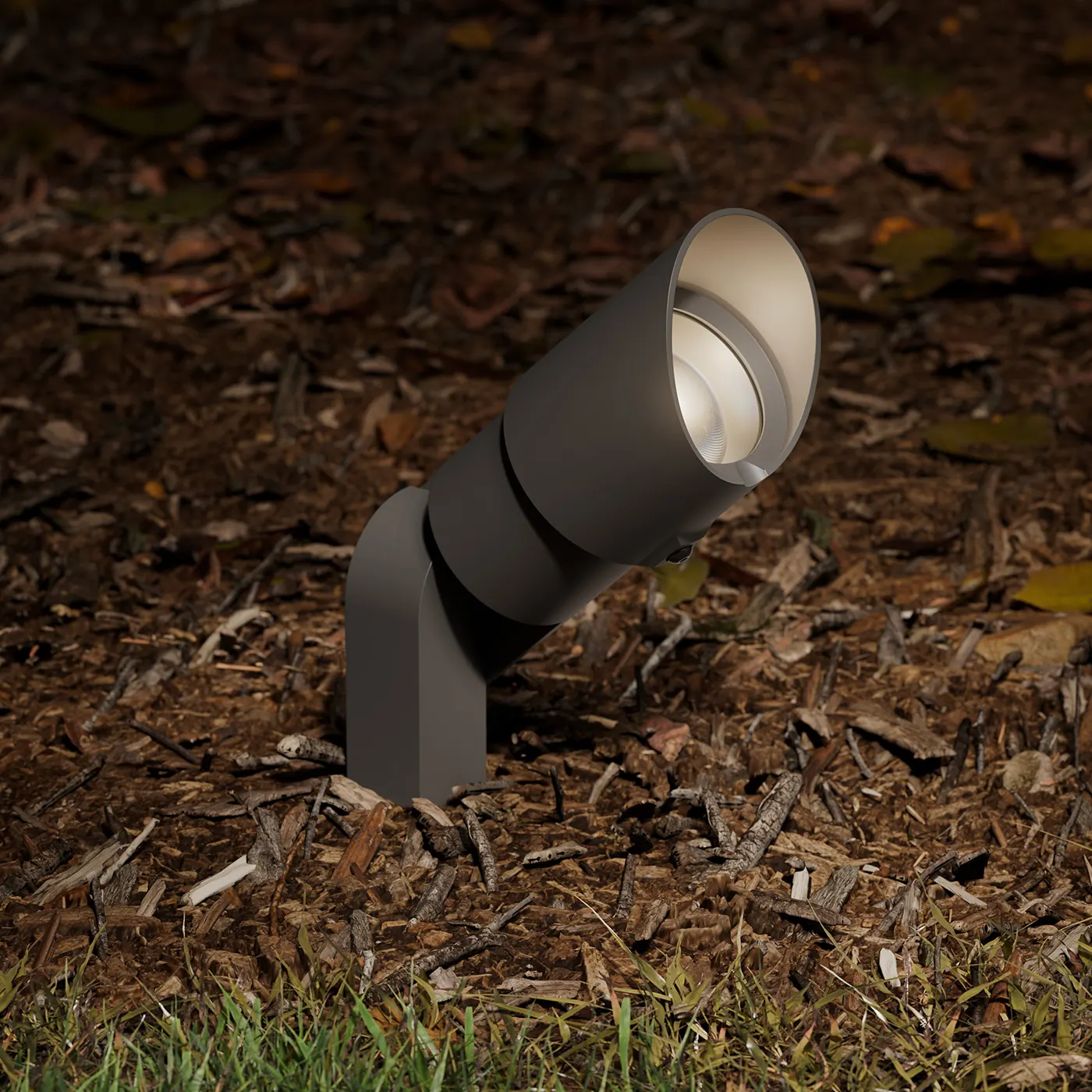
As the ground freezes and thaws, fixtures on short stakes lift and tilt out of aim. We use longer stakes or fixed mounts where aim matters most, such as the uplights on a signature tree, and check aim each spring.
Road salt
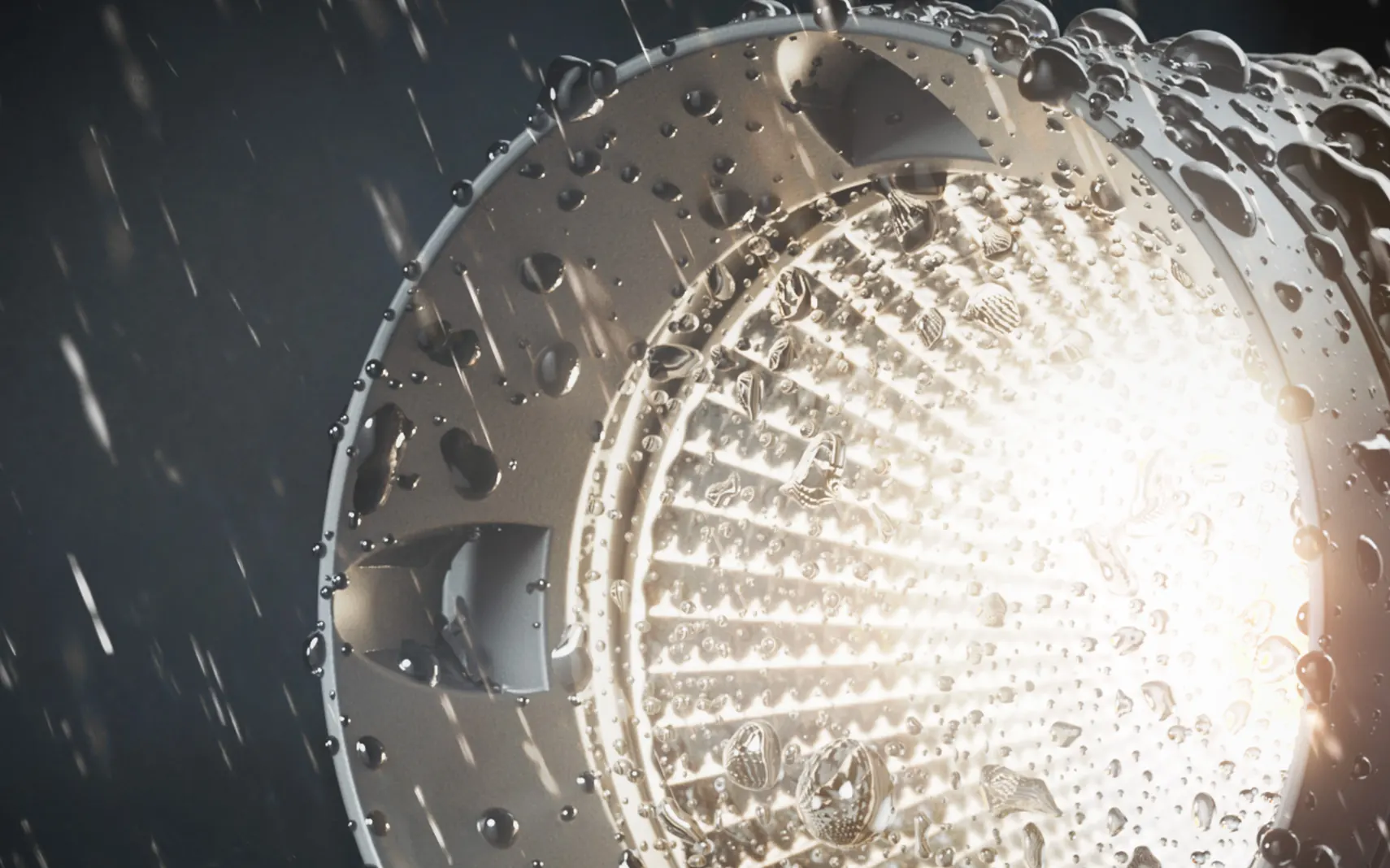
Along driveways and front walks, salt spray and meltwater attack finishes and connections. We use HK’s marine-grade aluminum and solid brass fixtures there, keep in-grade lights out of the low spots where salty meltwater pools, and seal every wire connection.
Snow and plows
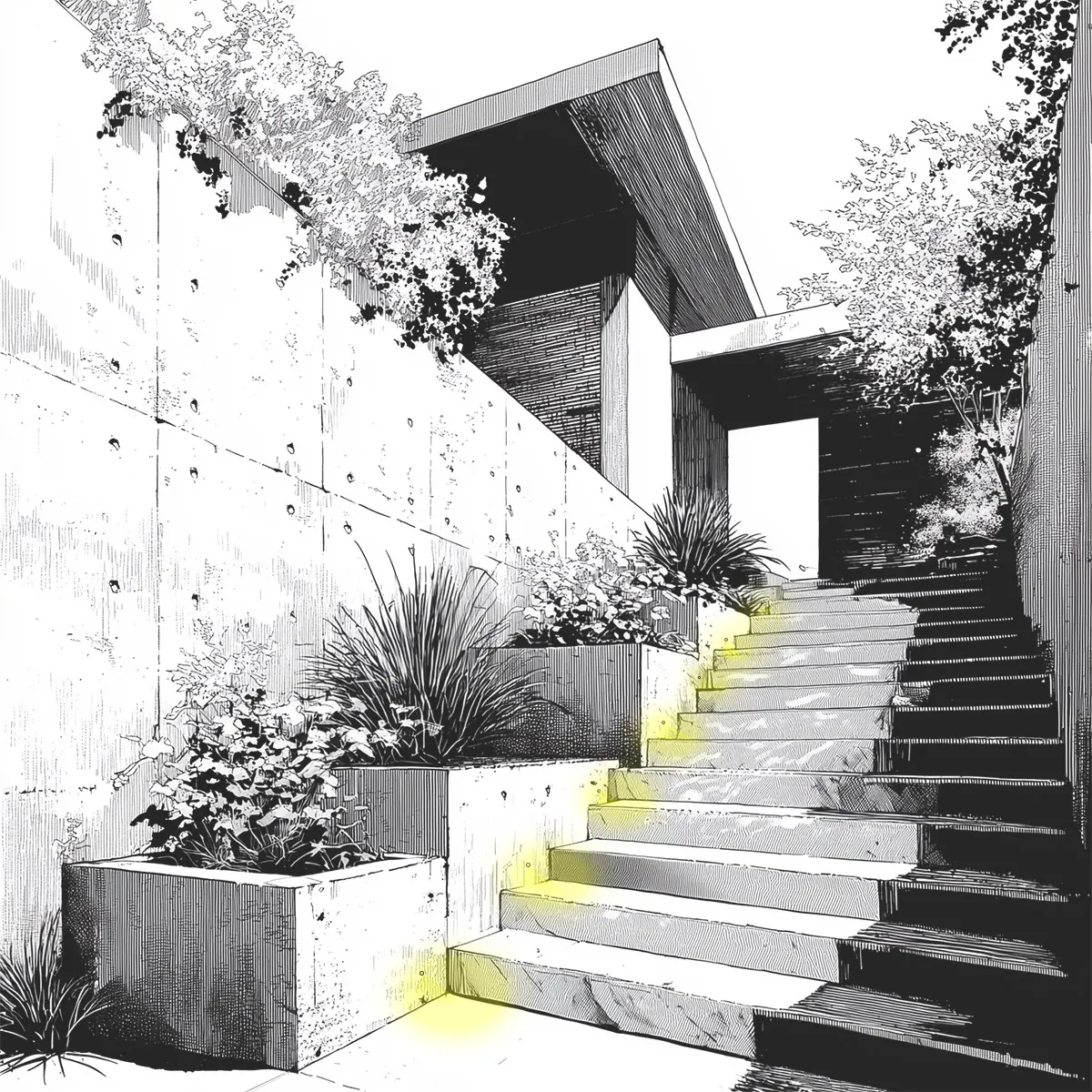
We ask where the snow gets piled and where the plow and snowblower go before we place anything. Path lights and in-grade fixtures stay out of those zones, and wall-mounted step lights stay visible when the ground is covered.
Wet, cold wiring
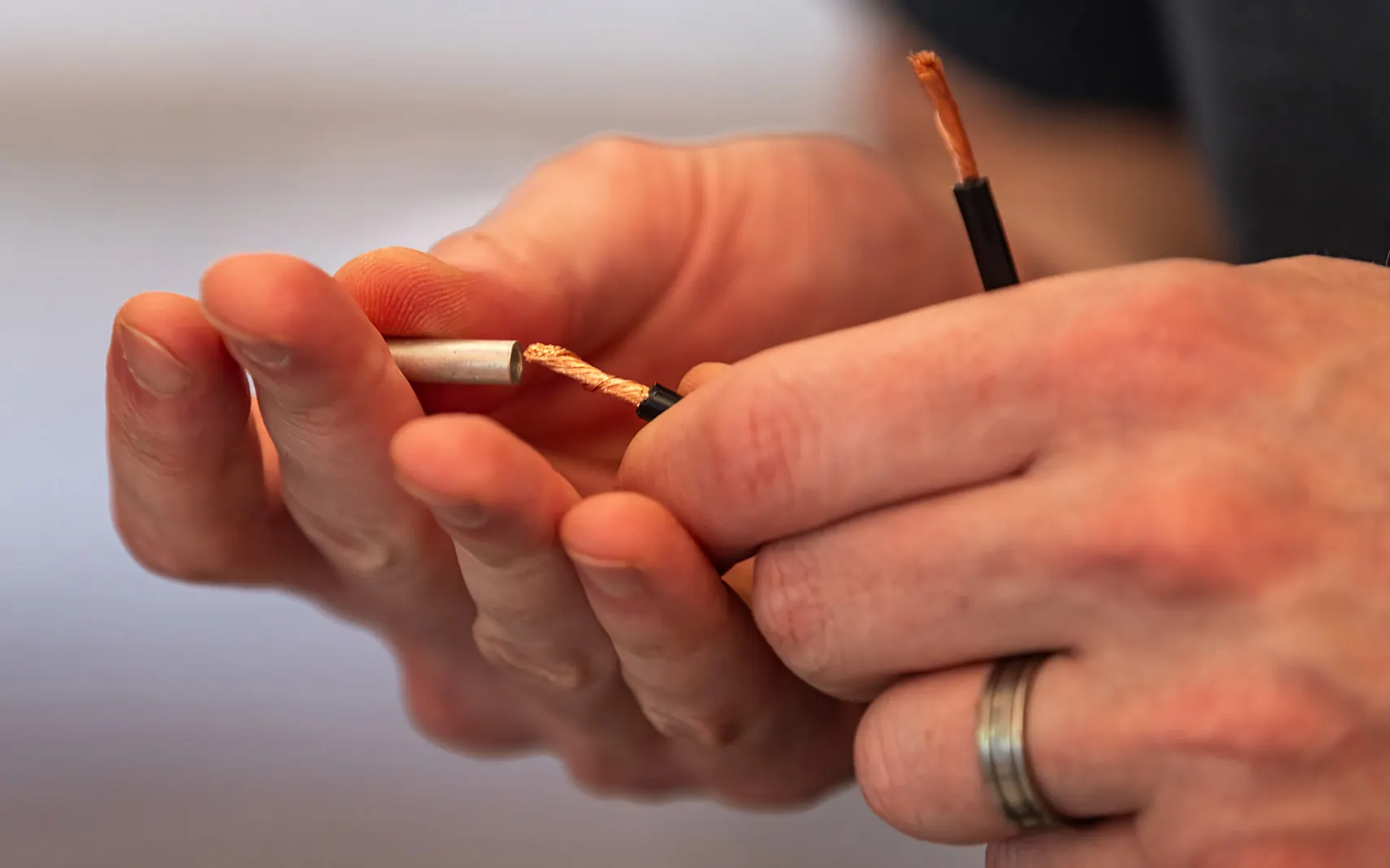
Transformers go where they stay dry and reachable in January, and wire is buried to code with connections made to stay watertight through freeze and thaw.
Winter can be the best season to see it
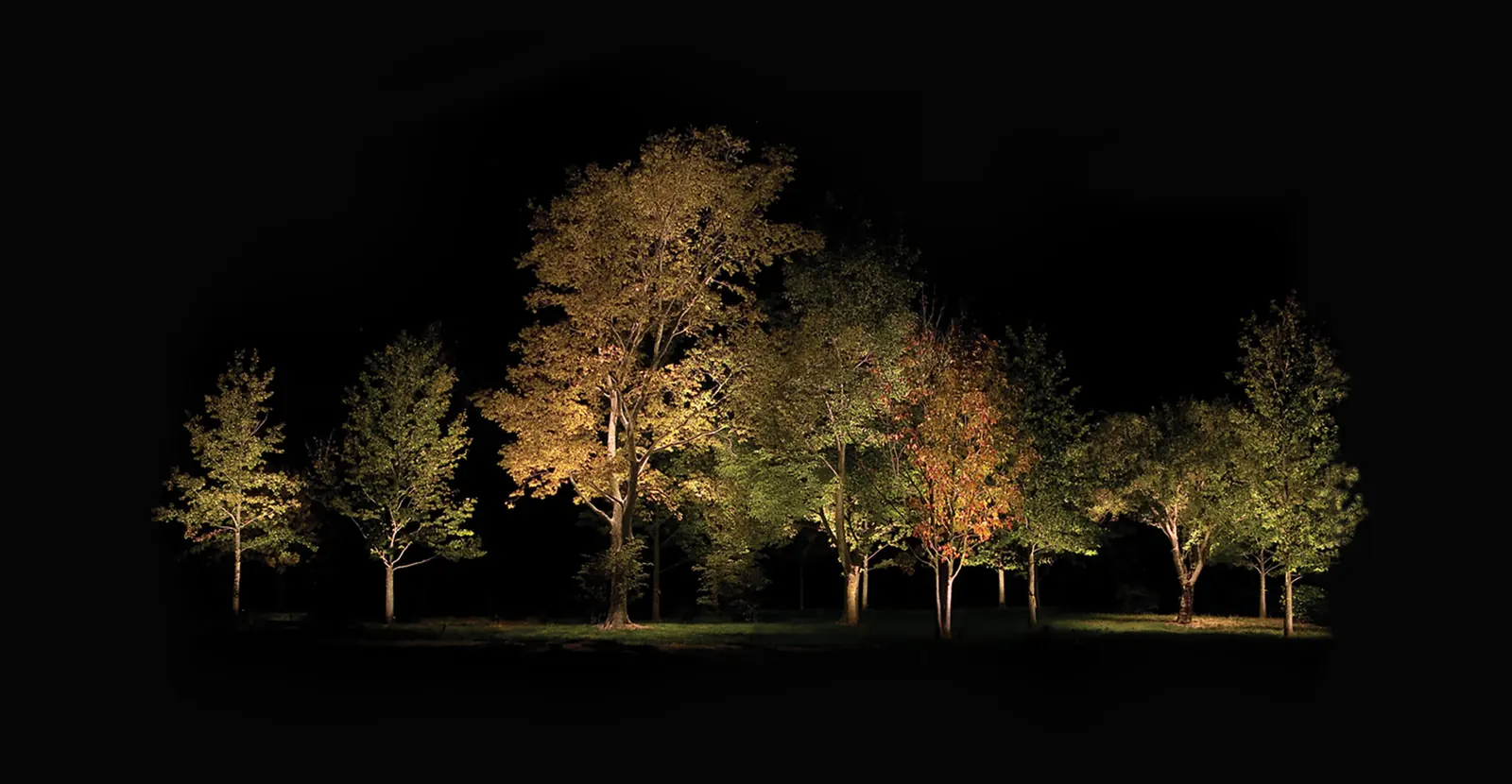
Bare branches show a tree’s structure in a way summer leaves hide. Uplit oaks and moonlighting read beautifully against the winter sky.
Fresh snow reflects most of the light that hits it, so a scene that looks right in October can look too bright in January. We set a separate winter scene a step lower, one tap on the keypad.
If you string holiday lights, plan switched exterior outlets on the Lutron system at the same time, so seasonal lighting follows the landscape schedule.
Winter landscape lighting questions
Can you install landscape lighting in winter?
We can design in winter, and we can add fixtures to wire that’s already in the ground. New trenching and drilling hardscape usually waits until the ground thaws in spring.
Should we turn landscape lights off for the winter?
No need. A well-built system runs year-round, and winter is when the evenings are longest. We usually set a lower winter scene when there’s snow on the ground.
Do LED landscape lights work in extreme cold?
Yes. LEDs start instantly and run well in the cold. What fails in winter is usually a cheap finish, a cracked lens, or a fixture a plow knocked over, which is why fixture choice and placement matter.
How do you keep in-grade lights working under snow?
We keep in-grade fixtures out of snow-pile and plow zones, set them in a drained base, and use wall-mounted step lights where snow sits for weeks.
Can the system power holiday lighting?
Yes, if we plan for it. We add switched exterior outlets on the Lutron system so seasonal lights follow the same schedule as the landscape.
Walk the property with us after dark
Landscape lighting is designed at night. We’ll walk the property with you after sunset, talk through what you want to see from the street, the terrace, and the windows, and send a written design and price.
Manufacturer specifications and prices are as published in September 2026 and can change. We confirm current figures when we quote.